News
The Blood of Dawnwalker Playtime Debate: Why A Tighter Dark Fantasy Sandbox Outshines Endless Bloat
Rebel Wolves' The Blood of Dawnwalker sparks playtime debates. Fans wonder if a 50-to-70-hour reactive sandbox can match the massive scale of The Witcher 3.
The Scale Debate: Witcher 3 vs. Vale Sangora
Ever since Konrad Tomaszkiewicz and other former CD Projekt Red veterans formed Rebel Wolves, fans have anticipated a spiritual successor to their previous masterworks. That background inevitably leads to comparisons. Recently, community polls on Reddit sparked a debate regarding the ideal length of The Blood of Dawnwalker. With The Witcher 3: Wild Hunt regularly demanding over a hundred hours of playtime, players are divided on whether they want another massive epic or a more condensed experience when comparing the new project vs The Witcher 3.
While some fans still crave a massive map littered with question marks, a growing segment of the community prefers a tighter focus. Rebel Wolves seems to be targeting the latter. Current developer estimates suggest a standard playthrough of The Blood of Dawnwalker clocks in around 50 to 70 hours, as detailed in our breakdown of how long to beat the game. While shorter than Geralt’s third outing, this length is designed to accommodate a highly reactive world rather than a linear checklist of activities.
Replayability Over Raw Playtime
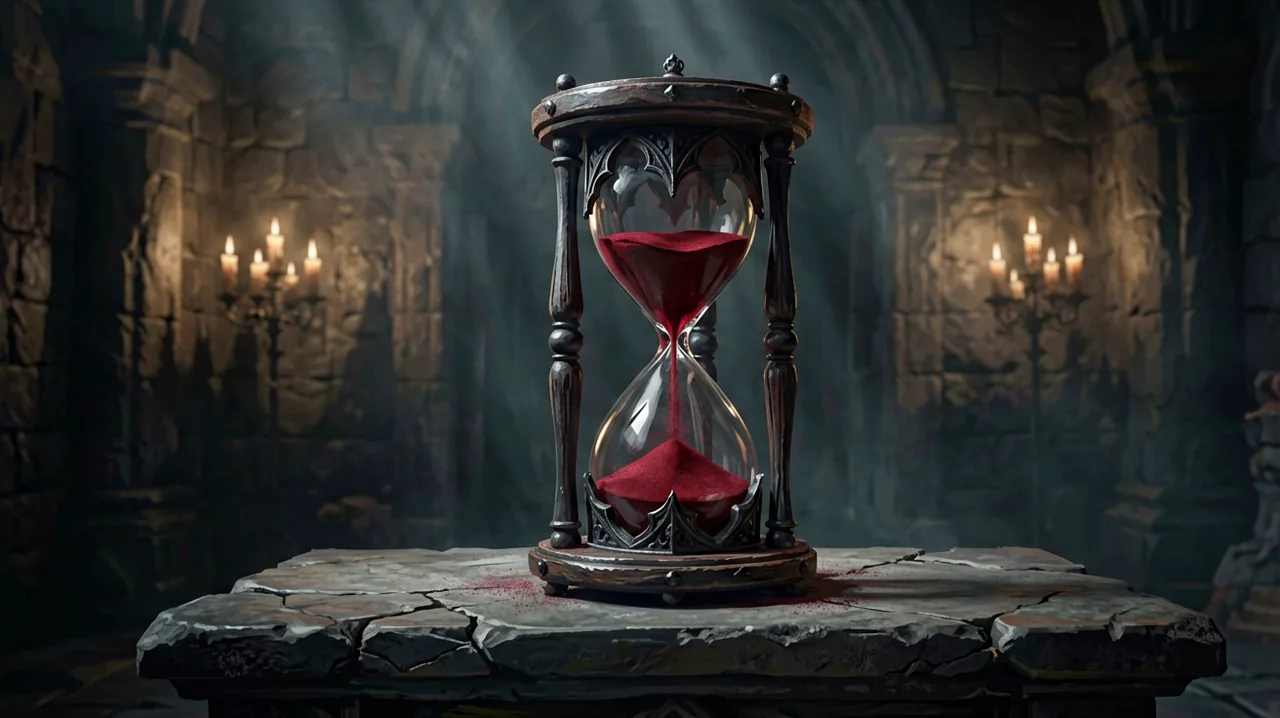
A shorter playtime estimate might disappoint those seeking a massive time sink, but the structure of the game encourages a different approach. The core narrative is built around a tight time economy. Players face a strict 30-day time limit to save the protagonist Coen’s family.
Because of this system, it is impossible to see every piece of content in a single playthrough. Completing specific side quests or advancing certain dialogue trees advances the clock. Choosing one path directly locks out others. This design choice shifts the value proposition from a single, exhaustive playthrough to multiple, distinct runs.
The Consequence of Every Choice
RPG fans on Reddit have highlighted how these choices shape the world of Vale Sangora. The game features an irreversible world state, meaning key NPCs can be permanently lost due to player actions or mere inaction. The story moves forward regardless of player intervention, creating a true narrative sandbox.
This high level of reactivity is why a 100-hour runtime would likely hinder the game rather than help it. A shorter, denser experience makes replaying the game to explore different factions, endings, and questlines far more feasible. Players can experiment with the day-night duality mechanics—combining human witchcraft during the day with vampiric abilities at night—without feeling overwhelmed by a massive, bloated map.
Ultimately, the choice-and-consequence design dictates the scope. For a game that focuses heavily on how choice-driven the narrative is, a tighter runtime of 50 to 70 hours ensures that every decision feels impactful, rather than buried under hours of open-world filler.