News
Why The Blood of Dawnwalker's Time Limit is Sparking a Crisis for RPG Completionists
Rebel Wolves' upcoming action RPG, The Blood of Dawnwalker, introduces a strict 30-day time limit that is causing massive anxiety for traditional completionists.
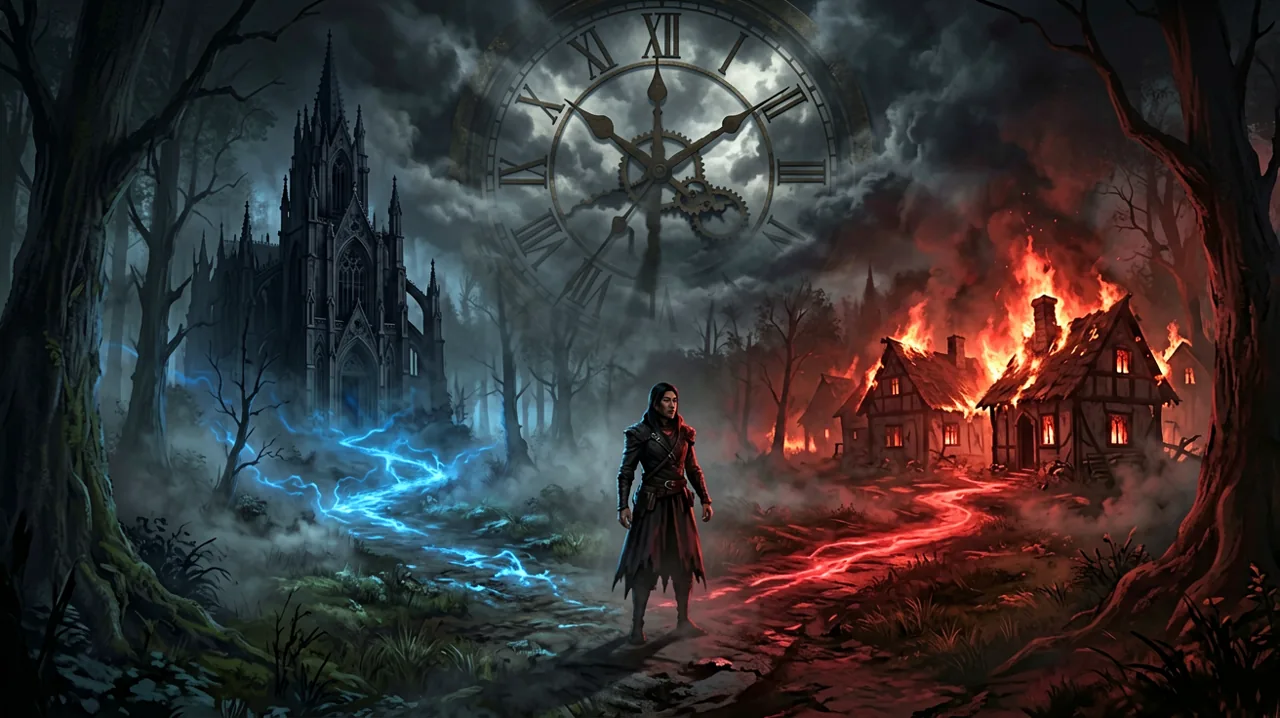
For over a decade, open-world role-playing games have trained players to act as meticulous vacuum cleaners. We enter a new region, open the map, and systematically clear every question mark, side quest, and collectible before allowing the main narrative to advance. It is a formula popularized by massive hits like The Witcher 3: Wild Hunt, but it is one that the developers at Rebel Wolves—a studio founded by veterans of CD Projekt Red—are looking to dismantle.
Their debut title, The Blood of Dawnwalker, scheduled to launch on September 3, 2026, is taking a radical departure from this comfortable routine. By introducing a strict 30-day time limit, the developers are challenging a fundamental pillar of modern RPG design. Instead of allowing players to wander indefinitely, the game treats time as a finite currency. This decision has sent a wave of anxiety through the completionist community, prompting a heated debate over whether this mechanic is a narrative masterstroke or a frustrating limitation.
Time as a Finite Currency
In most RPGs with time limits, the clock ticks down in real-time, forcing players to rush through environments and skip exploration. The Blood of Dawnwalker handles this differently. Here, time is a progress-driven resource. The 30 days and 30 nights do not tick away while you stand idle or explore the wilderness. Instead, time moves forward when you make major story decisions, complete specific side quests, or acquire powerful upgrades.
This means that players cannot simply grind for experience or complete every minor task in the region of Vale Sangora. Every action has an opportunity cost. If you spend three days helping a local village defend against a monster, those are three days you cannot spend investigating the inner workings of the ruling vampire lords. The developers have confirmed that it is mechanically impossible to complete every single side quest in a single playthrough.
For completionists who take pride in a 100% completion stat on a single save file, this structure is a direct disruption of their playstyle. Narrative director Jakub Szamalek has publicly urged players to step out of their comfort zones, suggesting that the game is designed around the idea of living with the consequences of what you choose to ignore. Missing out on content is not a failure of the player; it is a core feature of the narrative experience.
Solving The Witcher 3’s Urgency Problem
The decision to implement a time limit was not made in a vacuum. It was designed to address what many critics call the “biggest problem” of open-world RPGs: ludonarrative dissonance. In The Witcher 3, the narrative tells you that Ciri is in mortal danger and that every second counts. Yet, the gameplay mechanics allow you to ignore this crisis for months while you play Gwent, collect Witcher gear, and help random peasants with their domestic problems. The sense of urgency is completely lost, creating a jarring divide between the story being told and the player’s actions.
Rebel Wolves wants to close this gap. By tying the progression of time to player actions, The Blood of Dawnwalker ensures that the threat to the protagonist’s family remains constantly relevant. If you waste time, the world moves on without you. Interestingly, failing to complete the primary objective within the 30-day window does not result in a traditional “Game Over” screen. Instead, the game continues, but the world state changes permanently, leading to vastly different story endings and epilogues.
This approach addresses resolving open-world ludonarrative dissonance by making choices matter. Players must constantly weigh the benefits of a side quest against the loss of precious time, bringing the narrative stakes directly into the gameplay loop. It is a risky design choice that prioritizes thematic consistency over traditional completionist freedom.
The Playtime and Replayability Balance
A common concern with shorter, more focused RPGs is whether they offer enough value for their price tag. This has been a topic of debate, especially given the game’s premium pricing. However, a tighter scope does not mean a lack of content. While a single playthrough of The Blood of Dawnwalker is expected to take around 55 to 70 hours for a standard run, the sheer number of branching paths and mutually exclusive quests means that the total amount of content is much larger.
The game is designed from the ground up for replayability. Because your choices—and the quests you choose to ignore—actively shape the narrative landscape, subsequent playthroughs are expected to offer significantly different experiences. Rather than spending 150 hours clearing a single map of repetitive icons, players are encouraged to spend that time experiencing different story paths, exploring new character builds, and witnessing different endings.
This design philosophy aligns with the studio’s broader goals. Rebel Wolves has expressed a desire to return to a more classic RPG structure, drawing inspiration from titles that emphasized narrative reactivity over raw map size. By keeping the sandbox of Vale Sangora relatively compact, the developers can ensure that every corner of the world reacts dynamically to the player’s decisions and the ticking clock.
Community Sentiment: Eager Anticipation and Anxious Resignation
The response to this mechanic from the community has been divided. On platforms like Reddit, some players are expressing excitement for a game that respects its own narrative stakes. The promise of an RPG where choices have actual, irreversible consequences is a major selling point for those tired of the consequence-free design of modern open-world games.
However, another segment of the player base remains skeptical. The fear of missing content is strong among modern RPG players, and the idea of being locked out of quests simply because they chose to prioritize other tasks is a source of frustration. Some community members have already started calling for an optional mode that disables the time limit entirely, allowing for a more relaxed exploration of Vale Sangora.
Whether Rebel Wolves will implement such a feature remains to be seen. Given that the entire narrative structure and quest design are built around the concept of time as a resource, disabling the mechanic would likely break the game’s core progression. For now, the developers seem committed to their vision, asking players to trust their experience as RPG veterans.
For a studio composed of developers who helped shape some of the most acclaimed RPGs of the last decade, The Blood of Dawnwalker represents a bold attempt to push the genre forward. By forcing players to make difficult choices and accept that they cannot see everything in a single run, Rebel Wolves is challenging the very definition of what it means to complete a role-playing game.