News
The Blood of Dawnwalker Reportedly Tops 2026 Steam Wishlists Amid Quest Structure Speculation
As The Blood of Dawnwalker dominates 2026 Steam wishlists, the RPG community is actively debating its narrative scope and rumored quest structure.
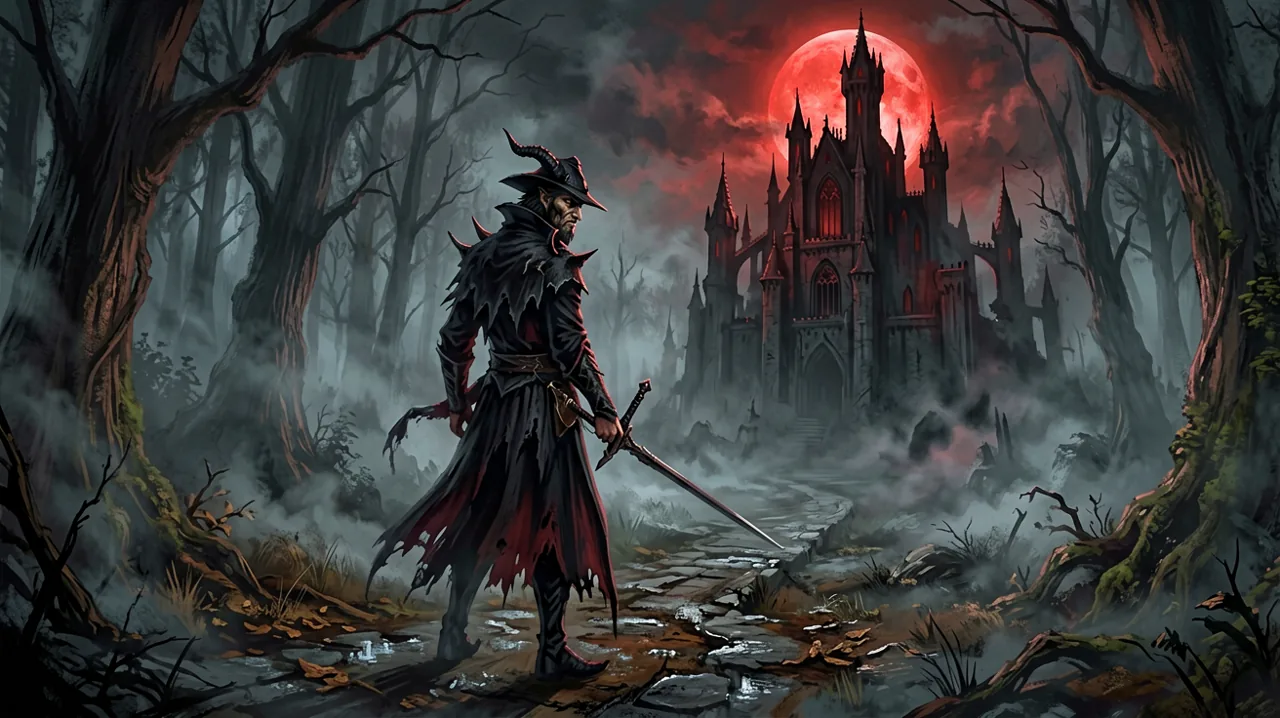
The gaming community has spoken, and their collective gaze is fixed firmly on the shadows of Vale Sangora. According to recent storefront tracking data reported by GamingBolt, The Blood of Dawnwalker currently tops Steam wishlists for 2026, sitting shoulder-to-shoulder with the highly anticipated action title Phantom Blade Zero. For a brand-new intellectual property from a relatively young independent studio, dominating the global wishlist charts is a monumental achievement. Rebel Wolves, the development team founded by industry veterans who previously shaped the worlds of The Witcher 3: Wild Hunt and Cyberpunk 2077, has clearly struck a powerful chord with its promise of a mature, uncompromising dark fantasy narrative sandbox.
As the September 3 release date inches ever closer, this massive surge in pre-launch hype has naturally led to intense community scrutiny. Passionate fans are no longer just marveling at the flashy combat trailers or the confirmed daytime human and nighttime vampire duality mechanics; they are actively piecing together how the actual game will flow from a structural standpoint. Recent discussions across various online forums have highlighted a particular area of intense intrigue and debate: the exact architecture of the main questline and how it integrates with the promised open-world reactivity.
With expectations skyrocketing thanks to the Steam wishlist milestone, players are actively questioning whether The Blood of Dawnwalker will follow a traditional, linear multi-act structure, or if it will experiment with something entirely different that redefines how narrative RPGs operate in a modern setting.
The Weight of the Wishlists: What Players Actually Want
The fact that The Blood of Dawnwalker is purportedly leading the pack for upcoming 2026 releases is not just a testament to effective marketing; it reflects a very specific, growing hunger within the core RPG community. A recent, highly active discussion on the r/rpg_gamers subreddit perfectly encapsulated this current cultural sentiment. When asked about the most anticipated role-playing games over the next five years, veterans of the genre frequently placed The Blood of Dawnwalker at the very top of their lists, often alongside established heavyweights like the upcoming Kingdom Come: Deliverance sequel.
What stands out most in these community discussions is the specific criteria players are applying to their anticipation. User /u/Thecheckmate, who sparked a large conversation regarding future RPGs, specifically called out a desire for immersive worlds, robust narratives, meaningful exploration, and memorable characters. Modern RPG fans are increasingly expressing severe fatigue with bloated, repetitive mechanics or overly “gamey” progression systems that prioritize arbitrary engagement metrics over genuine storytelling. They want a sense of progression that feels earned and logical within the context of the fictional world.
Rebel Wolves has strategically positioned The Blood of Dawnwalker as the exact antidote to this prevailing open-world fatigue. By promising a tighter narrative sandbox where player choices carry significant, irreversible weight, the studio is directly targeting the demographic that propelled the game to the top of the Steam charts. However, this astronomically high level of anticipation is a double-edged sword. Every single mechanical reveal, every character introduction, and every subtle hint about the game’s overall structure is now subject to intense, forensic analysis. The community expects nothing less than a genre-defining masterpiece, and they are particularly curious about how the central storyline will be paced and delivered.
Dissecting the Main Quest: Community Theories and Speculation
This intense scrutiny has recently manifested in a fascinating debate within the r/DawnwalkerOfficial subreddit regarding the game’s overarching narrative structure. A community member, /u/NetherVeteran27, raised a compelling question that has sparked numerous theories and counter-theories among fans: Is “The Blood of Dawnwalker” the name of the sole main quest, or is it just the beginning of a much larger, multi-tiered chain of narrative events?
The confusion largely stems from the game’s evocative title and how Rebel Wolves has vaguely discussed the narrative sandbox concept in past interviews. Some players are speculating whether the entire game is technically one massive, branching objective—perhaps surviving a specific stage of the vampire curse or navigating a singular political crisis involving the vampire lords—while everything else is strictly categorized as a side quest that merely influences the outcome of that one singular goal.
In traditional, beloved RPGs, the main storyline is usually neatly divided into clear acts or a long sequence of sequential, mandatory quests. For example, the Reddit user pointed directly to The Witcher 3: Wild Hunt, questioning if the endgame of The Blood of Dawnwalker will feature a rapid succession of critical, unstoppable main quests akin to the sequence following the “On Thin Ice” mission. Will there be a clear demarcation between the core narrative and optional content, or will the lines completely blur in Vale Sangora?
If the game truly operates as a revolutionary narrative sandbox, the very concept of a rigid, linear “main quest” might be entirely obsolete. Instead, players might be given a primary overarching objective very early on in the prologue, with the complete freedom to pursue it through various competing factions, uneasy alliances, and completely optional side stories. The community theorizes that completing certain high-tier side quests might completely alter the final sequence of events, effectively creating multiple different “main quests” depending on the choices you made dozens of hours earlier.
How the Vampire Duality Might Impact Quest Progression
One of the most intriguing aspects of this ongoing quest structure debate is how the game’s core, confirmed mechanic—the seamless transition between a relatively normal human during the day and a bloodthirsty vampire at night—will interact with narrative progression.
If the main questline is as highly reactive as Rebel Wolves claims, the time of day could be a crucial, non-negotiable factor in how story beats unfold. Are there critical path objectives that can only be initiated or completed when the sun is down? If a player chooses to focus heavily on their vampire abilities, investing deeply in the rumored hex magic skill tree and embracing their monstrous nature, will certain daylight quests become completely inaccessible or automatically fail because the human populace rejects them?
Community members have reported persistent rumors that some major questlines might completely shift in tone, objective, and available dialogue options based on whether you approach the vital quest giver as a seemingly normal human investigator or a terrifying nocturnal entity. This unprecedented level of reactivity would make the distinction between main and side quests even more fluid and unpredictable. A seemingly minor side investigation into a local peasant’s murder might suddenly become a mandatory bottleneck for the main story if the player accidentally reveals their true vampiric nature, forcing them to find a completely alternative, much more dangerous route to their primary goal.
This profound level of choice ties directly back to the lofty expectations driving the massive Steam wishlist numbers. Dedicated RPG players do not want a linear path with a superficial vampiric coat of paint; they want the curse to actively disrupt and shape the story at every turn. If Rebel Wolves can successfully integrate the human-vampire duality into the very fabric of the quest structure—making the journey just as unpredictable and volatile as the protagonist’s affliction—the game could easily justify its towering pre-release hype.
Addressing the Scope: Balancing Ambition and Length
The sprawling Reddit discussions also touch upon a very valid, recurring concern regarding the game’s intended length and overall bloat. Some astute users noted that if The Blood of Dawnwalker is merely the prologue to a much larger, multi-game saga, a single, elongated main quest might feel underwhelming or structurally unsatisfying. Conversely, if the game attempts to cram an epic, century-spanning narrative into a highly reactive sandbox, it risks collapsing entirely under the weight of its own ambition, becoming exactly the type of bloated experience that RPG veterans are currently rejecting.
Rebel Wolves has been relatively transparent about their core design philosophy, previously emphasizing that they are not interested in creating a massive, artificially padded game filled with empty map markers and repetitive fetch quests. For a deeper look at how the developers plan to balance this, you can read our previous analysis of the playtime debate and why a tighter dark fantasy sandbox works better.
The core community seems largely supportive of a shorter, but highly replayable experience. If the “main quest” is relatively brief but supported by dozens of dense, impactful side stories that drastically alter the world state and the ending, it would align perfectly with what the audience on the rpg_gamers subreddit is begging for. The true appeal lies in narrative quality and severe consequence, not raw, uninspired playtime. The idea that you could finish the game, compare notes with a friend, and realize you both experienced entirely different main story branches and met completely different characters is incredibly enticing.
Furthermore, players are highly curious about the post-game state. As questioned on Reddit, will the game world allow for continued exploration after the credits roll, and will that world accurately reflect the potentially catastrophic choices made during the finale? We already know the developers are expected to utilize multiple epilogues to shape the future of the franchise, but how seamlessly that transition happens remains one of the most guarded secrets of the project.
The Road to September 3
As The Blood of Dawnwalker maintains its iron grip on the 2026 Steam wishlist charts, the pressure on Rebel Wolves continues to mount with each passing week. The community’s forensic, highly detailed analysis of the potential quest structure is a clear indicator of a passionate, heavily invested player base that is eager for a true next-generation RPG experience that respects their time and their choices.
While we all anxiously await official confirmation on exactly how the quest log will be organized and how the narrative will branch, the current rampant speculation highlights the incredible potential of the promised narrative sandbox. Whether we are embarking on a single, massive branching mega-quest or a series of interconnected, faction-driven storylines that change based on the cycle of the moon, the bloody journey through Vale Sangora is rapidly shaping up to be one of the most defining and heavily scrutinized gaming events of 2026.
Until Rebel Wolves decides to pull back the curtain further on their quest design methodology, players will undoubtedly continue to theorize, debate, and—most importantly—keep the game firmly planted at the very top of their digital wishlists. The anticipation is palpable, and the expectations are astronomical.