News
The Cost of Duality: Rebel Wolves Explains The Blood of Dawnwalker's 'Expensive' Day-Night Cycle
Rebel Wolves director Konrad Tomaszkiewicz explains why The Blood of Dawnwalker's day-night cycle was expensive to build and how it splits the game in two.
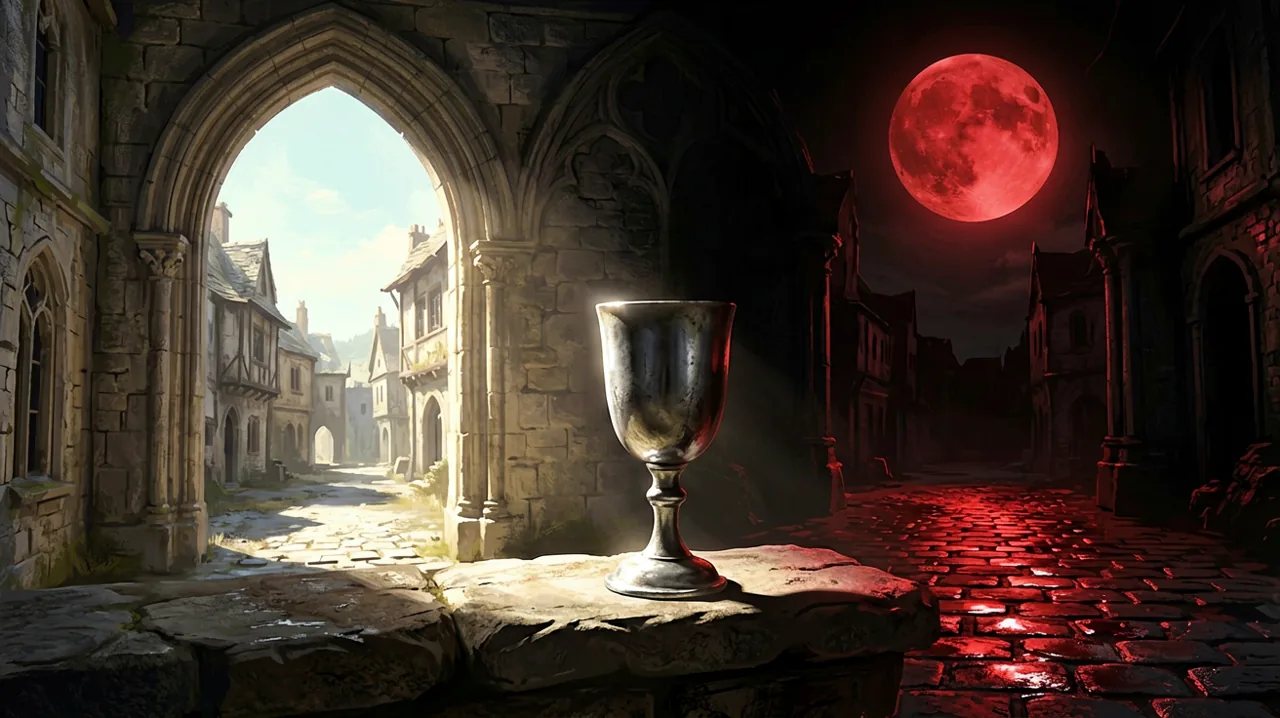
Following a massive hands-on preview event that gave media outlets four hours of unrestricted gameplay, Rebel Wolves has pulled back the curtain on the structural spine of The Blood of Dawnwalker. Specifically, studio director Konrad Tomaszkiewicz has addressed the massive development costs behind the game’s core mechanic: a strict day-night cycle that splits the dark fantasy RPG into two entirely different loops.
During development, the team faced internal skepticism regarding the cost of building two separate gameplay systems for the same game world. “We said it’s expensive as hell, but we thought it’s worth it, because it’s unique and different,” Tomaszkiewicz explained in a recent interview. According to the studio, the resulting split creates an experience that feels like “almost two different games.”
Two Lives in Vale Sangora
In The Blood of Dawnwalker, players control Coen, a man partially transformed into a vampire. Instead of treating the day-night transition as a simple visual filter, the game forces players to inhabit two distinct roles depending on the position of the sun:
- By Day: Coen operates under human constraints. He can enter settlements, interact with ordinary NPCs, and search for clues using a detective-style investigation system.
- By Night: Coen transforms into a predatory vampire. This nocturnal shift unlocks supernatural movement abilities, increased combat agility, and the option to feed on NPC blood. However, walking into a village at night turns the local population hostile, transforming previously safe investigation zones into dangerous hunting grounds.
This duality meant that Rebel Wolves had to construct two different AI response sheets, pathfinding routines, and environmental hazards for every single location in Vale Sangora. Towns that offer merchant services and domestic quests during the day become breeding grounds for vampire hunters and terrifying threats under the moonlight.
Time as a Strategic Resource
The split gameplay loop directly feeds into the game’s choice-driven structure. Previews confirmed that players must manage a strict 30-day time limit to rescue Coen’s family. Crucially, time does not pass via a standard, constant clock. Instead, it acts as a currency.
Major actions—such as completing key investigations or committing to specific local conflicts—will advance the clock. This design choice prevents completionist runs. Players cannot pursue every lead, meaning they must decide whether a task is best solved through daytime human diplomacy or nighttime vampiric force.
Choosing to investigate a crime scene by day might reveal political secrets, while waiting until night could allow Coen to ambush a suspect using his vampire powers. However, choosing one path means sacrificing the other as the clock ticks forward.
Stepping Out of the Witcher’s Shadow
With Tomaszkiewicz and other CD Projekt Red veterans at the helm, comparisons vs The Witcher 3 are unavoidable. Yet, early previews suggest that the dual-loop system and the pressure of the 30-day limit steer The Blood of Dawnwalker away from standard open-world formulas.
Rather than filling a massive map with endless checklist markers, Rebel Wolves is banking on a tighter, highly reactive sandbox. The steep cost of developing two parallel games in one world seems to have been spent on depth rather than physical scale. Whether this expensive gamble pays off will become clear when the game hits platforms on its confirmed September 3 release date.