News
How The Blood of Dawnwalker Previews Resolve Open-World Ludonarrative Dissonance
Recent hands-on previews of The Blood of Dawnwalker explain how its 30-day limit and dual skill systems address the pacing flaws of its predecessors.
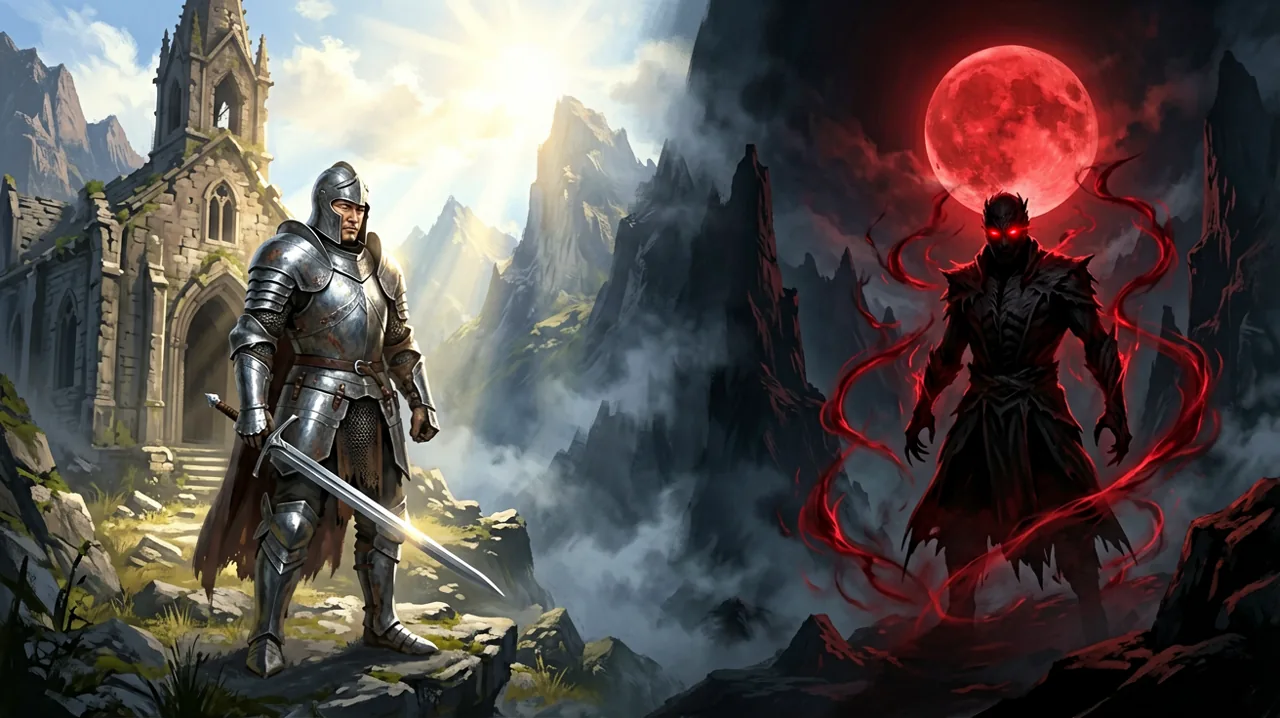
First hands-on previews for The Blood of Dawnwalker indicate that the upcoming dark fantasy RPG from Rebel Wolves is positioning itself as a worthy spiritual successor to classic open-world adventures. With a development team consisting of former CD Projekt Red veterans, expectations are high. According to journalists who played the first four hours of the game, the studio is introducing key design choices to tackle the pacing issues and narrative dissonance that often plague massive role-playing titles.
Pacing a Living Gothic World
A common issue in narrative-focused role-playing games is ludonarrative dissonance: the main story demands immediate action, yet the player is free to spend weeks doing trivial side activities without consequence. Previews suggest Rebel Wolves is tackling this issue directly.
Instead of letting players wander indefinitely while the Carpathian valleys face ruin, the game implements a strict 30-day time limit. While some fans initially expressed concern that this system would restrict exploration, early preview reactions note that the countdown adds necessary narrative weight. Time passes dynamically as Coen moves between regions or rests, making every detour, contract, and side investigation feel like a deliberate choice.
This mechanical pressure is expected to align the gameplay loop with the story’s stakes, providing a structural counterpoint to the pacing of vs-the-witcher-3.
Splitting Human and Vampire Skills
In tandem with the preview impressions, a recent UI reveal from IGN Nordic has showcased screenshots of the game’s progression menus. The skill tree UI emphasizes Coen’s split nature. Rather than presenting a unified stat board, the interface separates daytime human skills from nighttime vampiric mutations.
- The Human Tree: Focuses on martial discipline, physical endurance, and swordplay timing.
- The Vampire Tree: Features branches dedicated to blood hexes, supernatural agility, and shadow manipulation.
This mechanical divide underpins the dual gameplay loop. Player builds will reportedly require balancing resources between these two trees, as detailed in our analysis of builds and skill trees. The visual design of the menu reportedly mirrors this duality, shifting colors and layouts depending on whether the player is leveling up during the day or night.
Rhythm and Slow-Motion Combat
Developer interviews published by ixbt.games shed light on how combat feels in practice. The developers described the swordplay as a mixture of rhythm-based timing and precision slow-motion mechanics, drawing comparisons to both Guitar Hero and Max Payne.
This approach builds on the foundations of classic dark fantasy combat. During the day, players must focus on precise parry timings and steel blade combos. At night, Coen can slow down time to chain supernatural strikes or deploy combat and hex magic. Early playtest reports suggest that combining these systems rewards rhythmic player input rather than button-mashing, showing the clear influence of the sword master’s design principles.
With The Blood of Dawnwalker set to launch on September 3, 2026, these early impressions offer a promising look at how Rebel Wolves plans to refine the open-world formula.