News
The Blood of Dawnwalker October Patch: Combat-Free Story Mode and Duelist Survival Guide
Rebel Wolves' October patch for The Blood of Dawnwalker adds a combat-free difficulty. Discover essential strategies to survive the early game on Duelist.
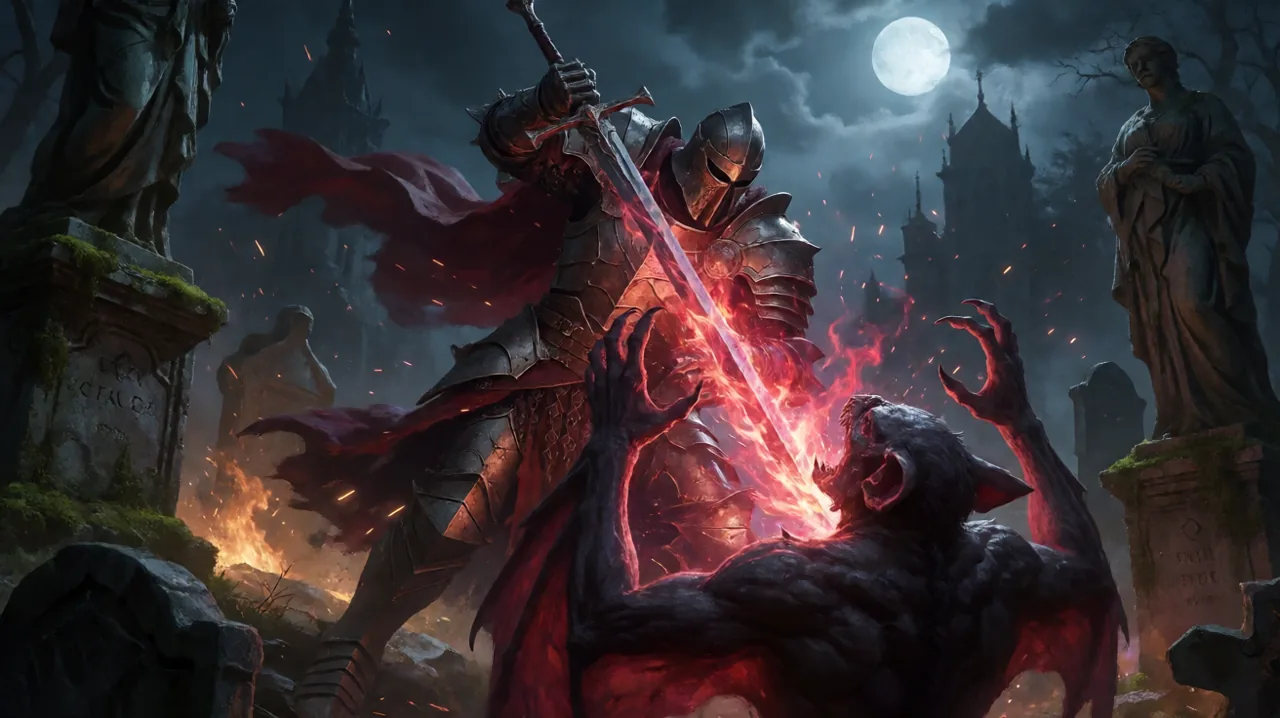
Rebel Wolves has officially confirmed the first major update for The Blood of Dawnwalker, scheduled to launch in early October. While the dark fantasy RPG has captivated players with its intricate narrative sandbox and grim depiction of Vale Sangora, the mechanical execution of its swordplay has seen a highly mixed reception. Hardcore enthusiasts appreciate the brutal duels, but a significant portion of the community has found the encounters unnecessarily punishing or, in some cases, mechanically rigid during the opening hours.
To address these disparate experiences, director Konrad Tomaszkiewicz has outlined a series of systemic adjustments arriving next month. Chief among these additions is a brand-new difficulty setting designed explicitly for those who wish to bypass combat entirely. For players currently fighting their way through the northern sections of the map on the punishing Duelist difficulty, relief is on the horizon. However, if you are determined to push through the early-game friction before the patch drops, understanding the nuances of hex magic, camera management, and the day-night cycle is absolutely essential.
The October Patch: A True Combat-Free Story Mode
The central pillar of the upcoming early October patch is accessibility. In a recent round of interviews with major outlets, Tomaszkiewicz confirmed that the development team is building an entirely new tier of difficulty. This upcoming addition is aimed directly at players who are invested in the intricate political machinations, underground investigations, and relationship dynamics, but have zero interest in timing parries or managing stamina bars against hordes of macabre enemies.
“We will add a new Story mode which will be even easier for people who don’t want to experience the combat,” Tomaszkiewicz explained to the press. Because the game currently has a difficulty option named “Story Mode”—which still requires players to engage in combat, albeit with significantly reduced enemy health and damage modifiers—the existing setting will be renamed to avoid community confusion. The new mode reportedly removes the friction of physical confrontations entirely, allowing the narrative choices and investigation mechanics to carry the entire experience.
This is a massive shift for an RPG that heavily advertised its directional swordplay and dynamic magic systems during its marketing cycle. However, it aligns perfectly with Rebel Wolves’ overarching design philosophy. The studio has repeatedly emphasized that the core identity of The Blood of Dawnwalker lies in its branching storylines and the heavy consequences of your choices. By offering a way to bypass the mechanical roadblocks, they are ensuring that the world of Vale Sangora is accessible to purely narrative-focused role-players.
Upcoming Combat Tweaks and Mechanical Polish
Beyond the new difficulty tier, the October update is expected to bring widespread improvements to the core combat loop. While the specific patch notes are not yet available, the community anticipates several major bug fixes and quality-of-life adjustments based on the director’s broad comments regarding mechanical refinement.
Currently, players utilizing heavy weapons frequently report issues with input buffering and animation locks. The commitment required for each swing makes dodging unpredictable enemy patterns feel sluggish rather than tactical. Furthermore, the collision detection on certain hex magic projectiles can be notoriously inconsistent when fighting on uneven terrain—a frequent occurrence in the wetlands and mountainous regions.
Rebel Wolves is expected to smooth out these transition animations, theoretically making it easier to cancel a heavy attack into a defensive posture. There are also community-reported expectations regarding target-lock behaviors. The camera’s tendency to drift or become trapped behind environmental objects during multi-target encounters has been a persistent frustration, and addressing this will be crucial for the overall health of the higher difficulty tiers. We anticipate that these changes will drastically alter how aggressive players can be in crowded scenarios.
Surviving Duelist Difficulty: The Level 11 Wall
For players determined to earn the Platinum trophy or simply seeking a grueling challenge, playing on Duelist difficulty remains the ultimate test. Yet, a clear pattern has emerged within the community over the past weeks: the most frustrating part of the game occurs right around the six to eight-hour mark.
At this stage, players typically reach level 11 and begin exploring the northern section of the map. This area introduces heavily armored human adversaries and highly aggressive nocturnal beasts that hunt in packs. The difficulty spike here is notoriously sharp, and many veterans of notoriously difficult action RPGs have voiced their frustration on community forums. The common complaint is not that the enemies deal too much damage—that is entirely expected on Duelist—but rather that the combat feels slightly clunky and the camera frequently works against the player in the dense northern forests.
If you find yourself stuck in this exact scenario, know that you are not alone, and more importantly, the game’s power curve will eventually tilt heavily in your favor. Community consensus indicates that once you push past level 15 and begin unlocking tier-three skills, the difficulty drops significantly. The challenge is simply surviving long enough to secure those crucial upgrades.
Strategies for the Northern Map: Positioning and Camera Management
The dense geography of the northern territories is a natural enemy of the game’s target-lock system. When fighting in thick foliage or tight cavern entrances, locking onto an enemy often forces the camera into uncomfortable angles, obscuring incoming attacks from off-screen foes.
To mitigate this, experienced players are abandoning the hard target-lock entirely during group encounters. By manually controlling the camera and utilizing wide, sweeping horizontal attacks, you can keep multiple enemies in your field of view simultaneously. Only employ the lock-on mechanic when isolating a single, high-threat target, such as an armored officer or a massive beast.
Furthermore, use the environment to your advantage whenever possible. The artificial intelligence governing enemies is highly aggressive, but it often struggles with verticality and pathing. Forcing enemies to navigate around large rocks or bottlenecking them in narrow ravines gives you the necessary time to cast area-of-effect abilities without being interrupted by a sudden lunging attack.
Maximizing Hex Magic and Stance Breaking
Relying solely on physical strikes is a guaranteed path to a quick death on Duelist difficulty. The absolute key to surviving the early-game wall is the aggressive integration of hex magic into your offensive rotations. While it might seem optimal to hoard your magical resources for healing or emergency defensive casts, the current meta heavily favors using hexes to aggressively break enemy stances.
Certain mid-tier magical abilities are incredibly effective at stripping the stamina and posture bars of heavily shielded enemies. Once their guard is successfully broken, follow up immediately with a heavy physical strike. This not only deals massive critical damage but also provides a brief invulnerability window during the execution animation.
In crowded, chaotic fights, chaining these executions is the most reliable way to thin the herd safely. If you have not yet invested points into your magical skill tree, consider visiting a trainer in one of the major hubs to reallocate your early points for a better advantage. You can read more about optimizing these spell combinations in our overview of combat and hex magic.
The Day-Night Cycle: Tactical Exploration
Another critical aspect of surviving the difficult early hours is respecting the day-night cycle. The dual nature of the protagonist is not just a narrative gimmick; it heavily dictates your combat capabilities and environmental awareness.
During the daytime, the protagonist operates largely as a fragile human. While you can blend into society and conduct investigations without drawing suspicion from the local populace, your physical attributes in combat are significantly reduced. Venturing into the hostile northern map during daylight hours on Duelist difficulty is essentially a death sentence. Enemy patrols are larger, and your stamina regeneration is heavily capped.
Conversely, the night awakens your dark lineage. Your movement speed increases, your physical strikes carry considerably more stagger potential, and specific nocturnal abilities become available for use. When tackling difficult enemy encampments or challenging story bosses, always ensure you initiate the encounter after the sun sets. The twilight mechanics provide a slight transitional buff, but true darkness is where your build will genuinely shine. For more detailed statistics on managing this cycle, check our breakdown of vampire powers and wolf form.
Looking Ahead: Preparing for the Update
As we wait for Rebel Wolves to deploy the October patch, the best course of action is to focus on steady progression through careful exploration. If the combat truly feels insurmountable, there is no shame in lowering the difficulty temporarily—at least until the mechanical tweaks smooth out the current clunkiness.
However, if you are committed to the Duelist path, focus on leveling up your hexes, managing your camera manually in the northern regions, and strictly fighting under the cover of absolute darkness. Once the patch finally arrives and the new combat-free mode is implemented alongside the highly anticipated system adjustments, The Blood of Dawnwalker will likely offer a much smoother experience for all playstyles. Whether you want to master the blade or completely ignore it in favor of political maneuvering, the dark world of Vale Sangora is about to become a lot more welcoming for everyone involved.