News
The Blood of Dawnwalker Endgame: Enemy Scaling, Level 50 Grind, and Performance Updates
Players are divided over The Blood of Dawnwalker's enemy scaling and lack of endgame enemy variety as they grind to level 50. Here is what the community is saying.
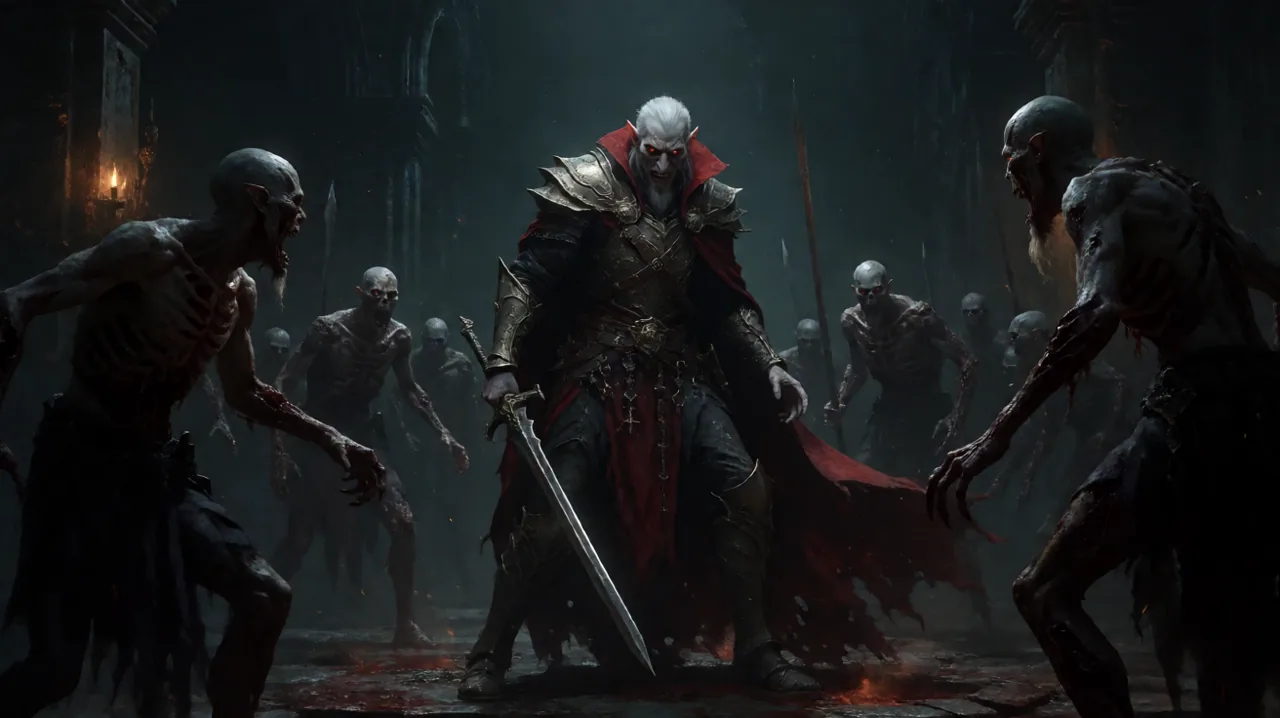
The Blood of Dawnwalker has successfully secured a mighty 85 on OpenCritic, backed by strong sales and the recent confirmation that Rebel Wolves is already planning for its future. The gothic dark fantasy sandbox has captured the attention of RPG fans with its intricate Vale Sangora world, the dual-nature of its protagonist Coen, and the looming 30-day in-game time limit. However, as the initial honeymoon phase settles and more players begin pushing toward the endgame and the elusive Platinum trophy, a clear divide is forming within the community.
Nearly three weeks after launch, the most dedicated players are reaching the level 50 cap, and their feedback highlights significant friction points in the game’s core design. Specifically, the implementation of enemy scaling, a perceived lack of enemy variety in the late game, and lingering performance issues across PS5 Pro and PC platforms are sparking heated discussions. Here is a detailed look at the current state of The Blood of Dawnwalker’s endgame, what the community is reporting, and how these mechanics interact with the broader RPG systems.
The Controversy Surrounding Enemy Scaling
At the heart of the current community debate is the game’s approach to enemy scaling. In many traditional RPGs, areas have fixed level brackets. When you return to a starting zone after dozens of hours of progression, you expect to effortlessly steamroll the basic thugs or low-level monsters that once gave you trouble. It is a fundamental pillar of the power fantasy. The Blood of Dawnwalker takes a different approach, scaling enemies dynamically to match Coen’s current level throughout the campaign.
For a vocal segment of the player base, this design choice is highly frustrating. Community reports highlight that this scaling actively undermines the sense of progression. When every encounter demands the same amount of effort regardless of how much time you have invested in optimizing your skill trees or unlocking advanced hex magic, the reward loop feels flattened. Players argue that if they spend hours hunting down legendary gear like the Mireleaf Bracers or specific manuals such as the Evil Eye, they want to feel a tangible power spike. Instead, the scaling ensures that standard encounters remain relatively spongy.
This issue is particularly pronounced during the daylight hours. Coen’s human form is inherently weaker than his nighttime vampire state. The day-night duality is a core pillar of the game, designed to make daylight encounters feel more tactical and vulnerable. However, when combined with aggressive enemy scaling, daytime combat against scaled-up enemies can feel less like a tactical challenge and more like an artificial slog. The scaling system prevents players from ever truly out-growing the threats of the world, which some argue contradicts the replayability intended by the overarching narrative structure.
Combat Mechanics: Clunky Targeting and the Level 50 Grind
The scaling controversy is further exacerbated by the mechanical feel of the combat. While the directional swordplay has its distinct highlights, numerous players have pointed out that the lock-on and targeting toggle system can feel unresponsive or buggy in crowded encounters. When fighting groups of enemies, unpredictable targeting can lead to taking unnecessary damage. In a game where enemies scale to your level and hit hard, these mechanical hiccups transform minor annoyances into significant frustrations.
As players aim for the Platinum trophy—a journey that requires a highly optimized playthrough to manage the narrative limits alongside full completion—they must eventually grind to the level 50 cap. It is during this final stretch that the game’s enemy variety reportedly wears thin.
Players who have successfully claimed the Platinum trophy note that the journey from level 40 to 50 exposes a lack of diverse enemy types. The bestiary is impressive during the first 20 hours, introducing various creatures and factions, but the endgame relies heavily on recycling the same mob archetypes. Fighting identical grunts or repeating encounters similar to the Vrakhiri Banneret boss fight becomes a monotonous chore. When you are forced to fight the exact same enemies you fought at level 10, only now they have level 50 health pools and damage output, the fatigue sets in quickly.
Optimizing Builds Despite the Scaling
Despite the friction caused by the scaling system, the community is actively mapping out the optimal paths to maximize damage and utility. The discovery of hidden manuals has become a primary focus for build crafters. Items like the “Second Skill II” manual and the “Frugal Witchcraft” perk are highly sought after to mitigate the scaling difficulty.
Frugal Witchcraft, for instance, appears vital for players leaning heavily into hex magic, allowing them to cast more frequently during intense nighttime skirmishes. Meanwhile, securing the Evil Eye manual provides much-needed utility to handle the scaled-up health pools of endgame targets like The Forgotten Guardian. These discoveries emphasize that while the scaling might feel oppressive, engaging deeply with the build mechanics and exploration is the intended counter-measure. Players cannot rely purely on raw level numbers; they must synergize their perks, gear, and spells to overcome the dynamic difficulty.
PS5 Pro and PC Performance Realities
Beyond the design philosophies of scaling and enemy variety, technical performance remains a pressing concern for a portion of the player base. The Blood of Dawnwalker’s stunning realization of its dark fantasy setting comes at a steep hardware cost, and recent reports from early adopters of the PS5 Pro indicate that the console is struggling to maintain a locked frame rate.
Currently, PS5 Pro users are reporting that the game fluctuates between the high 40s and 60 FPS in performance mode, particularly dropping during traversal in the main city areas. Compounding the issue is the reportedly absent PSSR 2 (PlayStation Spectral Super Resolution) support. For players sensitive to frame pacing and input latency, these drops directly impact the flow of the directional combat system, making the already clunky targeting feel even worse during heavy action.
On the PC side, Linux gamers utilizing compatibility layers are running into severe game-breaking bugs related to frame generation technology. Community reports confirm that enabling frame generation on specific Linux setups (such as those running CachyOS with AMD RX 580 GPUs) causes the game to completely break down, plummeting to an unplayable 10 FPS. While overall PC system requirements and performance have seen hotfixes since launch, these specific edge cases highlight that the technical polish is still ongoing.
The 30-Day Timer: A Generous Window or Unnecessary Pressure?
Finally, the discussion inevitably circles back to the 30-day time limit. With more players having completed their first runs, the verdict on the timer is as split as the reviews suggested. For some, the looming deadline to save Coen’s family before the vampire coronation adds genuine weight to every decision. It forces players to choose between resting to recover from daylight encounters, or pushing through the dangerous nights to clear another quest.
For others, the timer ultimately felt overly generous—a thematic suggestion rather than a punishing deadline. However, when combined with the enemy scaling and the necessity to grind to level 50 for achievements, the timer can create conflicting player motivations. Do you rush the story to beat the clock, or do you spend precious in-game days farming repetitive mobs for experience points? This friction between a narrative ticking clock and standard RPG grinding mechanics seems to be the root cause of the current endgame dissatisfaction.
Looking Ahead
As The Blood of Dawnwalker settles into its post-launch window, the feedback is clear. The world-building, characters, and narrative choices are widely celebrated, justifying the high review scores and impressive sales. Yet, the mechanical execution of the endgame—specifically the lack of a toggle for enemy scaling, the repetitive mob encounters at level 50, and the lingering performance drops—needs immediate attention.
Whether Rebel Wolves will introduce an option to disable level scaling in a future patch remains to be seen. For now, players stepping into Vale Sangora should prepare themselves for a journey where the enemies grow right alongside them, demanding sharp builds, optimal gear, and a high tolerance for the grind.